
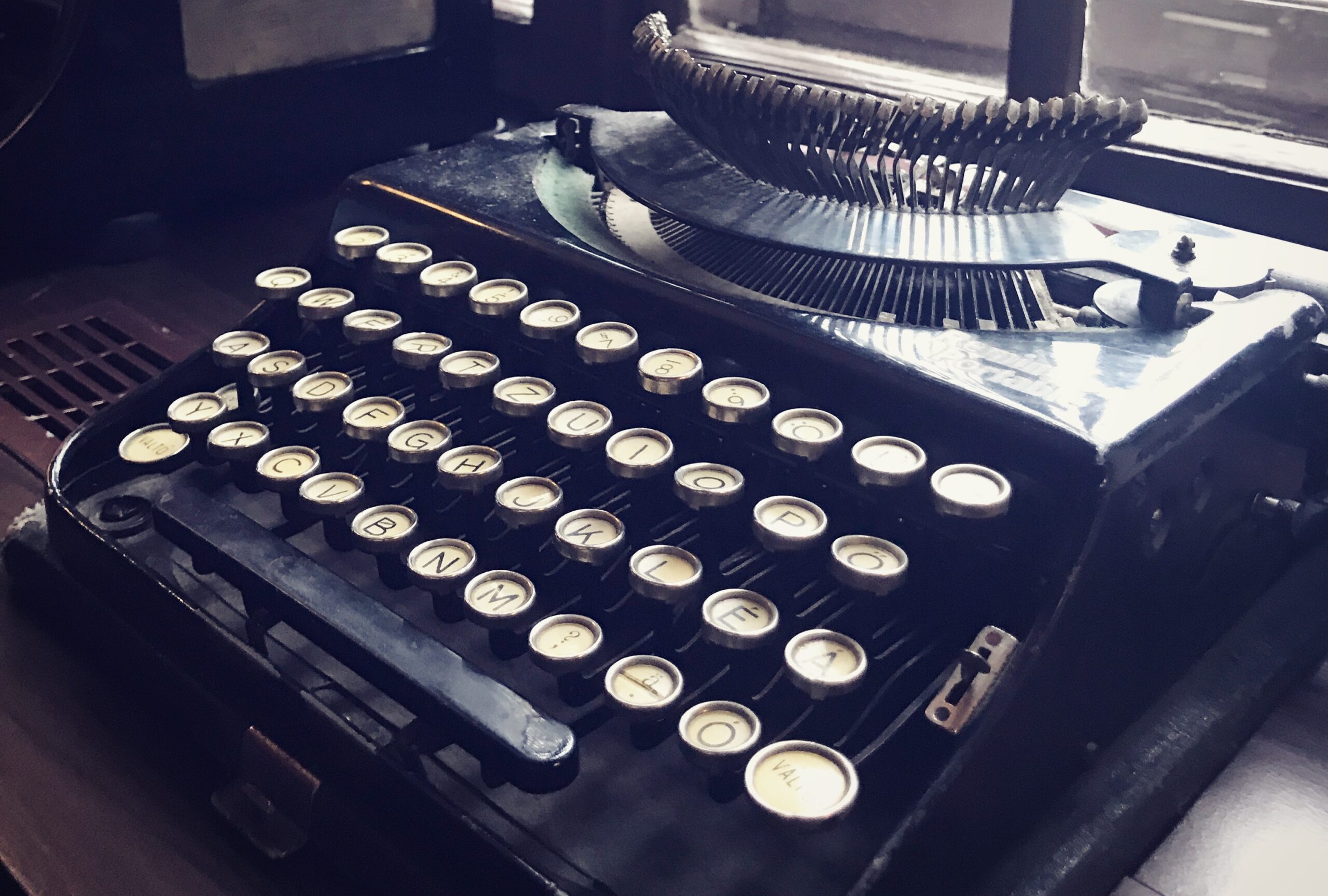
Nanowrimo
Chronicle. At 18.00 every Thursday during November, a group of students from different programs gathered in a corridor at the University of Gävle. The tables were moved to form a long table and the sofas were placed around. Some students sat with headphones on, others without. Their faces were illuminated by the glow of computer screens. Keyboards clattered. The smell of coffee and candy filled the hallway. The tradition began four years ago, during my first year studying creative writing. Me and my classmates had heard about a writing competition called Nanowrimo, National November Writing Month, and wanted to participate. The goal was to write 50,000 words in a month. An average of 1667 words per day. Those who succeeded would have the draft of a novel ready in one month. We gathered on Thursdays for a 12-hour writing marathon. The idea was simple: bring a computer or notebook and…
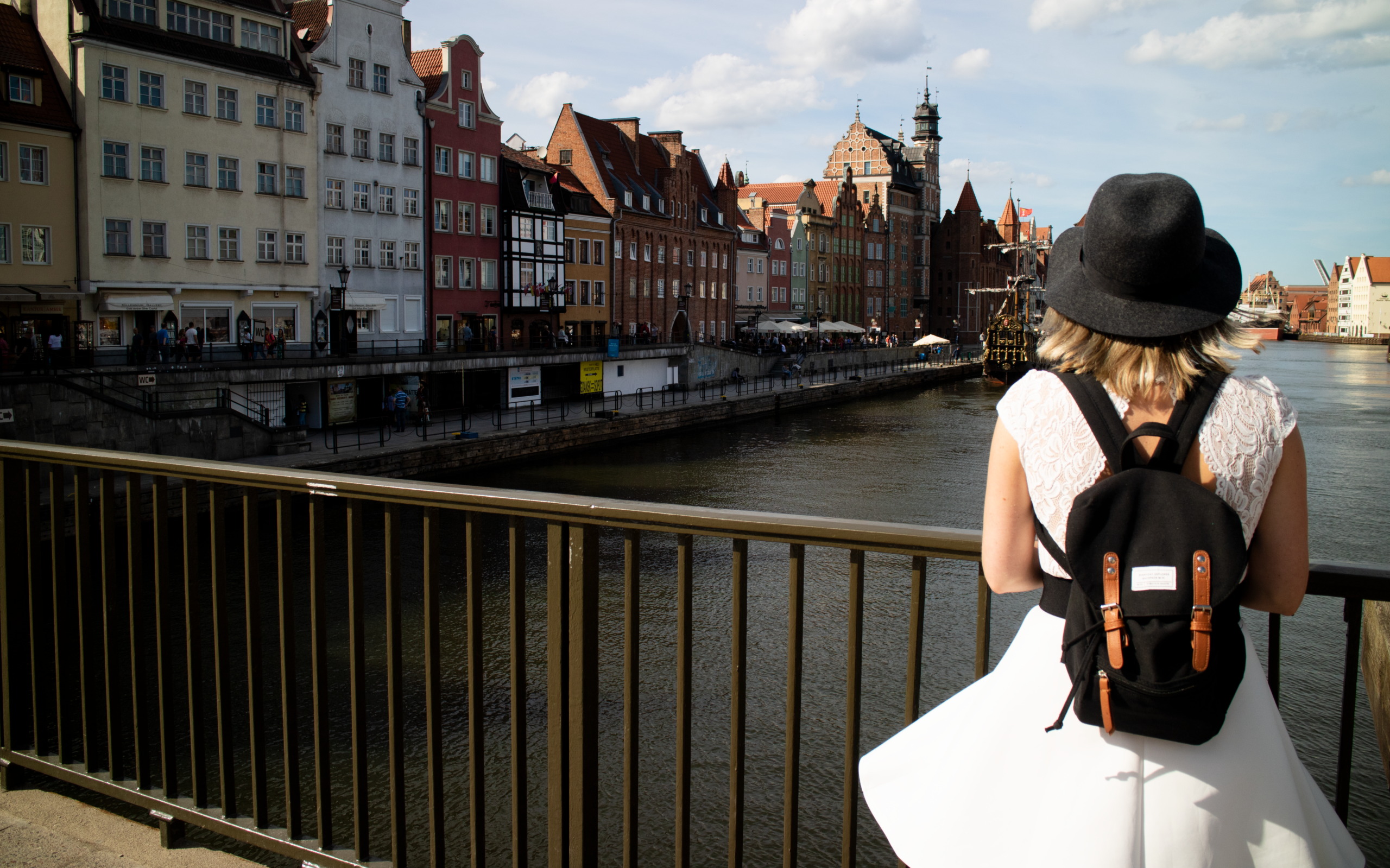
Slow text in a fast world
The alarm goes off at 05:25. I turn it off and am met with a stream of push notifications about what I missed during the night. I reach for my glasses, turn on the lamp on the bedside table and scan through social media and news sites. What place does slower, more challenging texts have in a society where things have to be done quickly and our attention span is getting shorter? Will we stop reading essays and longer reports now that we barely have time to stay on a website long enough to finish a 3000-character article? Based on my own reading habits, I usually read short texts. I would like to read a newspaper in the morning, the way my parents did when I was growing up, but I don’t take the time. It’s easier, faster and more convenient to read on my phone or tablet when I…