
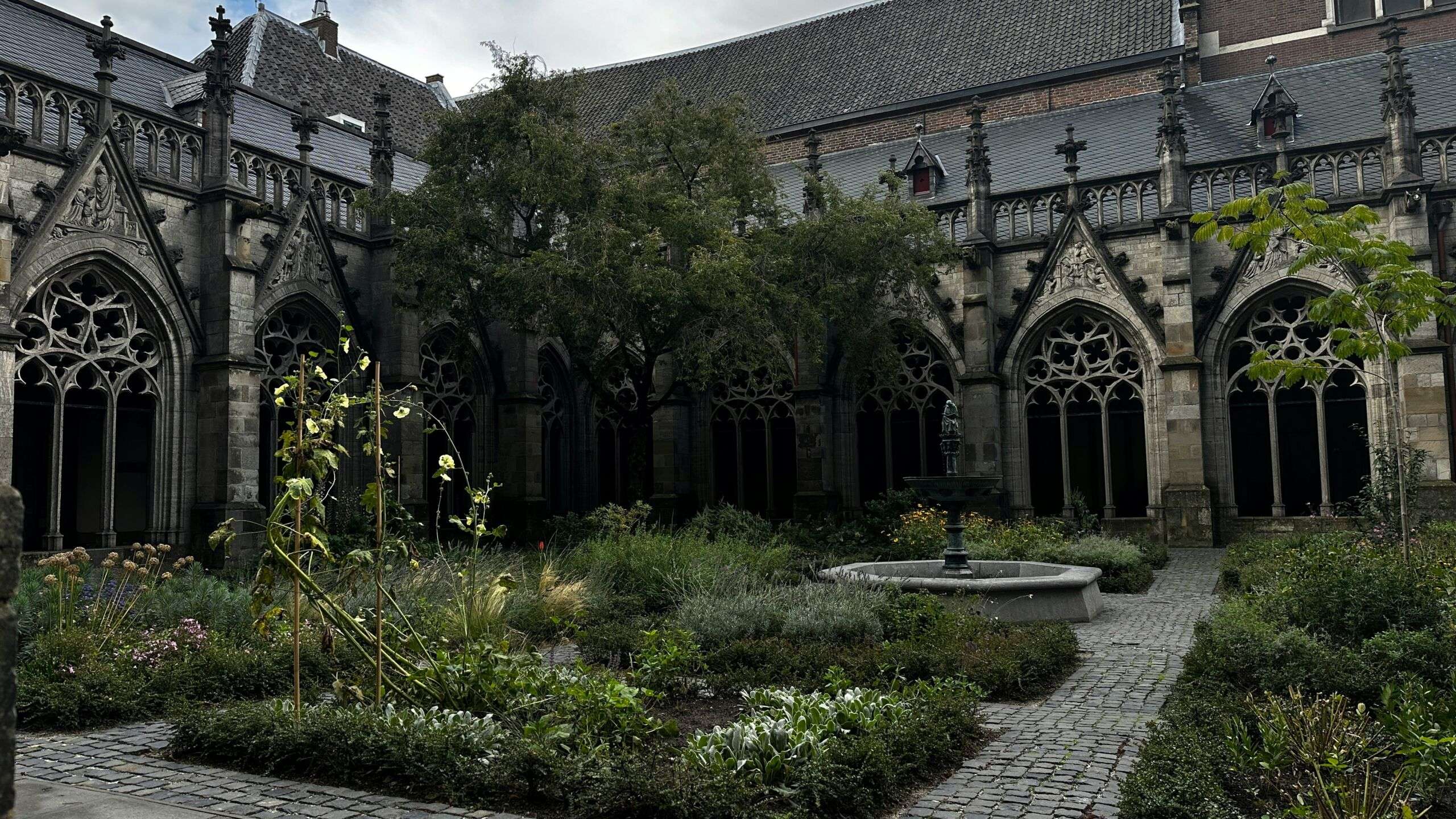
Dark Academia Fantasy: Magic, Mystery, and Forbidden Knowledge
An ancient university where students learn to control dangerous magic. A secret society protecting knowledge the rest of the world must never discover. A manuscript that should perhaps never have been opened. Dark academia fantasy combines the libraries, hierarchies, and intellectual ambition of academia with magic and supernatural mysteries. The result is a type of story in which knowledge does more than provide influence—it can change the world, destroy a person, or awaken something that should have remained buried. But what separates dark academia fantasy from an ordinary story about a magical school? Which themes and narrative elements define the subgenre? What is dark academia fantasy? Dark academia fantasy combines magic or other supernatural elements with dark academia’s academic settings, sinister atmosphere, and recurring themes. These stories may take place at: However, setting a fantasy novel at a school is not always enough to make it dark academia. Dark academia…
12 Dark Academia Books for Adults: From Secret Societies to Dark Magic
Secret societies, ancient libraries, intellectual obsession, and knowledge that comes at a dangerous price. Dark academia brings academic settings together with mystery, power, ambition, and humanity’s darker impulses. But which dark academia book should you read first? This guide features twelve dark academia books for adults, ranging from modern classics without supernatural elements to dark fantasy filled with magic, forbidden rituals, and unsettling secrets. The books are not ranked. Each one has been selected because it represents a different aspect of dark academia and offers a distinct kind of reading experience. Not sure what actually qualifies as dark academia? Start with our guide to the dark academia genre and aesthetic. Dark academia without magic These books use universities, boarding schools, museums, and artistic communities to explore belonging, ambition, class, friendship, and crime. Their darkness is primarily human rather than supernatural—at least most of the time. 1. The Secret History by…
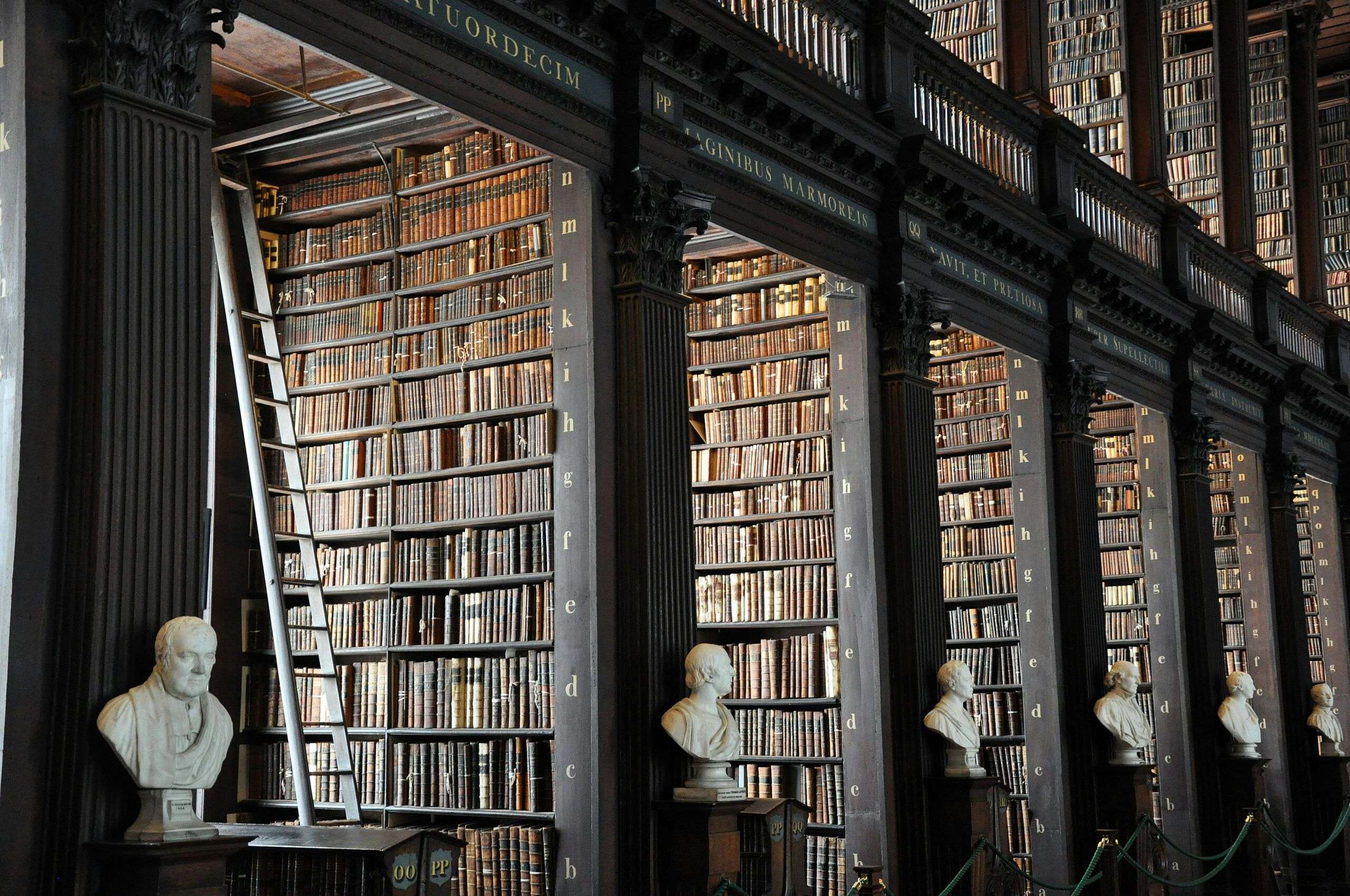
What Is Dark Academia? A Guide to the Genre, Aesthetic, and Books
Shadowy university corridors, secret societies, ancient libraries, and knowledge that might have been better left buried. Dark academia has become a popular concept in literature, fashion, and social media—but what does it actually mean? Dark academia is both an aesthetic and a literary genre centered on knowledge, education, art, and literature, often explored through mysterious or unsettling settings. In these stories, studying, friendship, and intellectual curiosity frequently transform into obsession, rivalry, and morally questionable choices. A dark academia story might follow a close-knit group of university students hiding a murder—or take place at a magical school where forbidden books and secret rituals threaten the entire world. Dark academia explained Dark academia often features: Not every story needs to contain all of these elements. A dark academia book can be a literary novel, thriller, murder mystery, horror story, or work of fantasy. What usually defines it is the combination of an…

How to become a more productive writer
If you, like me, work full time and write in your spare time, you may wish you could become a more productive writer. If that is the case, you’ve come to the right place. In this article, we’ll go through some of my best tricks for increasing productivity. I have read countless books on productivity. The subject interest me both professionally as a Growth Marketer and as a writer. Over the years I have tried different techniques and here are my favorites. 5 ways to be more productive as a writer A productive start to the day Many books I’ve read, such as 5000 Words Per Hour and Atomic Habits, talk about using the morning hours to do things that are important to you. Do something that matters, that you prioritize. The same is true if you want to create a Power Hour. Why the mornings? Because the rest of…

4 tips for writing dialog
Writing good dialog is an art that requires practice and finesse. In this article, I will go through four things that are important to make the dialog feel believable. If you want to become better at writing dialog, listen to strangers talking to each other on the bus or in a coffee shop. What I find interesting about how we talk to each other is that we sometimes talk over each other without really listening to what the other person is saying. Weaving that into a book or movie adds a layer of conflict and believability since what is said is not what the character means. Watch an examples of good dialog where characters talk over each other in the video below. If you’re listening to other people talking in the street, it’s important to remember to clean up unnecessary in-between sounds like umm, hmm and so on. Written dialog…

The author’s guide to a power hour
A power hour is a pre-defined time, usually 60 minutes, where you focus on your most important priorities for the day. I wake up at quarter to six, get up and sit down to meditate for fifteen minutes. After meditating, I write or edit for an hour, depending on where I am in the writing process. After that, I write two handwritten morning pages. Morning Pages is a ritual I picked up from The Artist’s Way by Julia Cameron. The ritual has really helped me to find a balance in creativity. Read more about how the book affected me here. Having a power hour, or clearly defined morning routine, is something I picked up from several productivity gurus. Mine is 90 minutes instead of 60 because I’ve added an extra 30 minutes of writing time. What is a power hour? According to Adrienne Herbert, author of the book Power Hour:…
The link between creativity and madness
There is a proven link between creativity and madness. I think it’s important for us writers to understand the connection, how it can affect us and what we can do to find our inner equilibrium. When I studied creative writing at university, the program I studied was called Professional Writing. My classmates and I quickly renamed it to Professional Madness. The link between creativity and madness has been around for a long time, but it’s only now that it’s been proven. Aristotle is said to have said that “there is no true genius without a touch of madness” when philosophizing about why so many in poetry, philosophy, and art often suffered from melancholy. It is only now, in recent years, that the link has been confirmed. In their book Equilibrium: The link between creativity and madness, Simon Kyaga and Jonas Matsson write that “it is two sides of the same…
Criticism and ethics
When reviewing a film, art exhibition, theater performance or book, there are many things to consider before I start writing. Who am I writing for? What do I want to achieve? Is my role as a reviewer to share my experiences? Should I share my opinions and act as a taste advisor to readers? What is my position as a writer? Am I the one in the middle of it all or do I stand outside and observe from a distance? Should I write what I feel, think and believe based entirely on my personal opinions, or should I be sensitive to what others think? Freelance critics in particular can be in a precarious position that requires them to consider many interests, Tomas Anderberg writes in Everyone is a Critic( Alla är vi kritiker). I sometimes find it difficult to determine which opinions are my own and which I have…

An Essay on Writing
Almost everyone I know say that they want to write a book at some point in their life. But almost no one writes a book, or even tries to. What is the appeal of writing? Why do we as humans love stories? I have always loved writing. When I was young I wrote diaries and stories, which later evolved to short stories, blog posts and poetry. I also read a lot. During difficult times, especially during my teenage years, I often escaped into the world of books. And I think it was somewhere there, among the pages of books that the dream of one day writing a book was born. “If you want to be a writer, there are two things you absolutely must do: read a lot and write a lot. There is no way to get past these two requirements that I know of, no shortcut.” Stephen King…
How to build fantasy worlds
As a reader, you only see around 10% of the world the story is set in. But it’s important that you as a writer know the world in which the book is set. Some authors build their entire story around the world itself. The laws of nature, culture and history influence the story itself and how the characters react to different events. I am writing a fantasy series in the magical realism/dark academia subgenre and will use examples from my own series in this article. Different layers of world building Big things like history and religion influence how characters think, react and talk, even if they don’t practice the religion themselves. Moral values influence how they live and what their motivations are – what is considered status and what is not. What are the major differences between our world and the world you are building? In my series, it is…