
Shadowy university corridors, secret societies, ancient libraries, and knowledge that might have been better left buried. Dark academia has become a popular concept in literature, fashion, and social media—but what does it actually mean?
Dark academia is both an aesthetic and a literary genre centered on knowledge, education, art, and literature, often explored through mysterious or unsettling settings. In these stories, studying, friendship, and intellectual curiosity frequently transform into obsession, rivalry, and morally questionable choices.
A dark academia story might follow a close-knit group of university students hiding a murder—or take place at a magical school where forbidden books and secret rituals threaten the entire world.
Dark academia explained
Dark academia often features:
- universities, boarding schools, or other academic settings
- old libraries, archives, and books
- secret societies and exclusive groups
- forbidden or dangerous knowledge
- ambition that turns into obsession
- complicated friendships and power structures
- mysteries, death, betrayal, and moral ambiguity
- Gothic architecture and a dark, melancholic atmosphere
Not every story needs to contain all of these elements. A dark academia book can be a literary novel, thriller, murder mystery, horror story, or work of fantasy. What usually defines it is the combination of an academic environment, a dark atmosphere, and themes involving knowledge, ambition, privilege, and power.
Is dark academia a genre or an aesthetic?
Dark academia first developed primarily as an online aesthetic and subculture. Images of Gothic university buildings, tweed jackets, notebooks, classical art, candlelight, and old libraries spread across Tumblr, Instagram, and later TikTok.
The aesthetic often romanticizes an idealized version of academic life: long evenings in the library, handwritten notes, classic literature, and intense conversations about philosophy, art, and history.
Today, however, dark academia is also widely used to describe a category of literature. Research into the genre describes it as a blend of traditions including the campus novel, Gothic fiction, and detective fiction. These stories use academia to explore themes such as class, privilege, power, identity, elitism, and destructive relationships.
A book does not automatically become dark academia simply because it takes place at a university. It usually also needs some form of darkness—within its setting, characters, institutions, power structures, or relationship with knowledge.

What are dark academia books about?
Many dark academia stories begin with a desire to belong.
The protagonist might arrive at a prestigious school, gain admission to an exclusive course, or be invited into a close-knit group of students. At first, the group appears to offer knowledge, friendship, and access to a more beautiful and exciting world.
But belonging comes at a price.
Behind the polished exterior are secrets, hierarchies, and unwritten rules. A professor might abuse their authority. A friendship might turn into rivalry or obsession. The pursuit of knowledge might lead to forbidden experiments, magical rituals, or a crime the group will do anything to conceal.
Dark academia is therefore about more than old books and beautiful universities. The genre often examines what happens when people begin to believe that their intelligence, talent, or special status means ordinary rules no longer apply to them.
Knowledge as both temptation and danger
Knowledge plays a special role in dark academia. It is rarely presented as something students pursue simply to pass an exam or secure a job.
Instead, knowledge is portrayed as seductive, secretive, and sometimes dangerous. Characters want to understand things that other people cannot. They search for lost texts, forbidden theories, ancient languages, or magic hidden for generations.
This creates one of the genre’s central questions: How far is someone willing to go to uncover the truth?
Knowledge can give the characters power and freedom, but it can also isolate them from the rest of the world. What begins as curiosity can develop into an obsession that harms both the characters and the people around them.
Does dark academia have to include magic?
No. Many of the genre’s best-known books contain no supernatural elements at all. Their darkness comes from murder, manipulation, class divisions, destructive friendships, and academic rivalry.
Dark academia does, however, combine particularly well with fantasy.
Magical libraries, forbidden spells, secret orders, and ancient manuscripts intensify the genre’s fascination with dangerous knowledge. In dark academia fantasy, education can also have very real—and sometimes deadly—consequences. An academic experiment might release something supernatural, while a text could literally possess the power to change the world.
Dark academia fantasy is not an entirely separate genre. It is fantasy that uses the settings, atmosphere, and themes associated with dark academia.
Common dark academia settings
Setting is an important part of the dark academia reading experience. Common locations include:
- old universities and boarding schools
- libraries with forbidden or forgotten sections
- shadowy lecture halls and laboratories
- museums, archives, and art collections
- rain-soaked courtyards and Gothic buildings
- isolated schools with their own traditions
- underground passages and secret meeting rooms
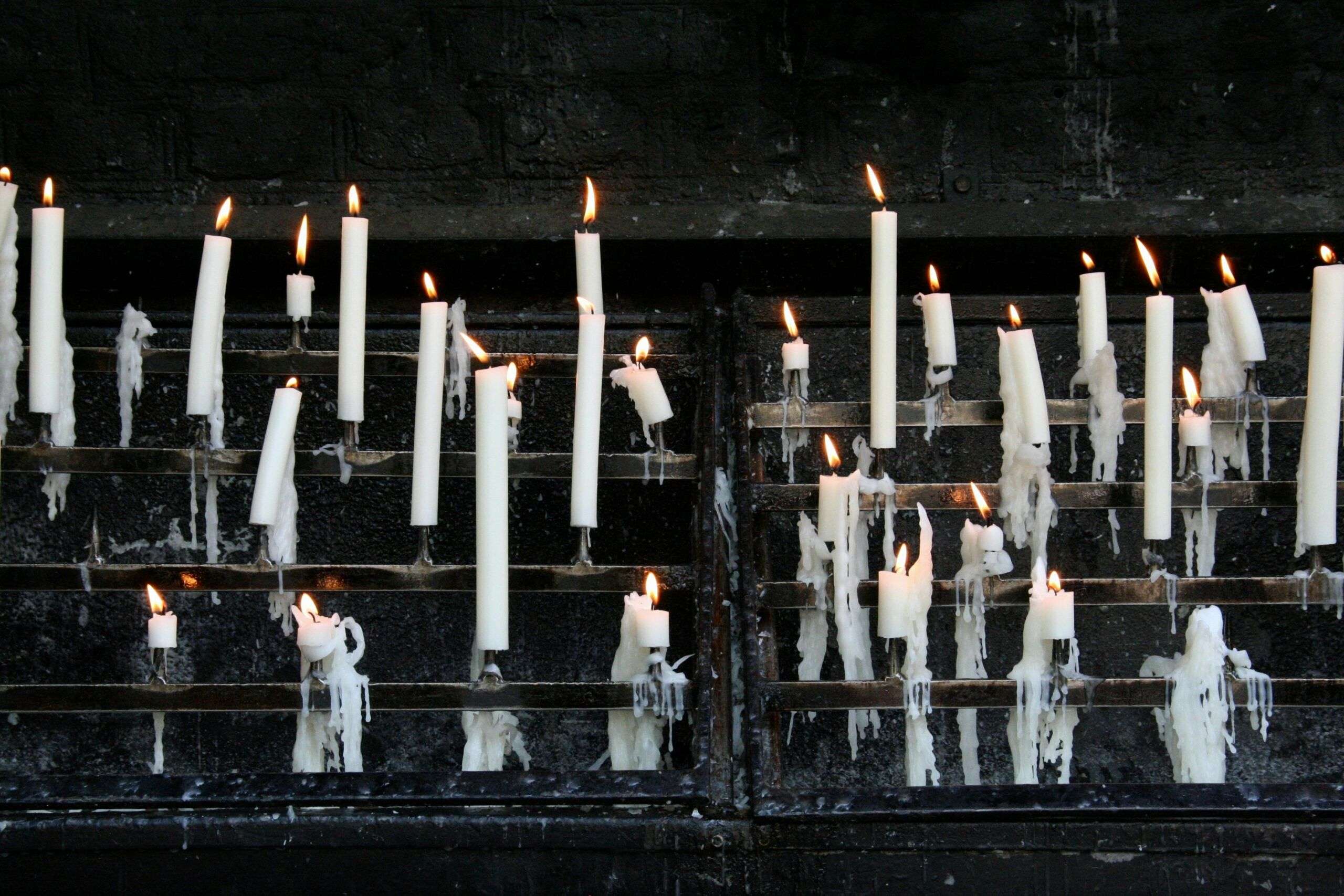
These stories often take place during fall or winter. Rain, fog, darkness, and candlelight contribute to the feeling that the characters have entered a world separated from ordinary life.
A book does not need to be set at an ancient British university to qualify as dark academia. A contemporary college, magical school, research institute, or exclusive artistic community can serve the same purpose.
What matters is that the environment is shaped by knowledge, hierarchy, belonging, and secrets.
The Secret History and the development of dark academia
Donna Tartt’s novel The Secret History, published in 1992, is often described as one of the most influential works behind modern dark academia.
The book follows a group of students studying ancient Greek at an elite New England college. From the beginning, readers know that the group has murdered one of their friends. The central mystery is therefore not who committed the crime, but how the characters reached that point and what the murder does to them afterward.
The novel brings together many of the elements that later became closely associated with dark academia: an exclusive group, classical studies, intellectual obsession, elitism, beauty, moral corruption, and a crime that changes everything.
Older works such as Mary Shelley’s Frankenstein and Oscar Wilde’s The Picture of Dorian Gray are also frequently associated with the dark academia aesthetic. They were written long before the term existed but explore themes including forbidden knowledge, obsession, intellectual arrogance, and humanity’s darker impulses.
As dark academia grew on social media, readers began placing both older classics and contemporary novels beneath the same aesthetic and thematic umbrella.

Dark academia compared with similar genres
Dark academia and campus novels
A campus novel is set primarily at a university or within academia. It can be humorous, realistic, satirical, or socially critical and does not have to be dark.
Dark academia often uses the same setting but places greater emphasis on mystery, obsession, power, death, and Gothic atmosphere.
Dark academia and Gothic fiction
Gothic fiction frequently includes threatening settings, family secrets, psychological darkness, and sometimes supernatural elements. An old house, castle, or estate can almost function as a character in its own right.
Dark academia borrows heavily from the Gothic tradition but typically places the story in an environment connected to education, research, art, or literature.
Dark academia and dark fantasy
Dark fantasy is fantasy featuring dark themes, threatening worlds, or supernatural dangers. It does not need to have any academic connection.
However, when a dark fantasy story takes place at a magical school or revolves around forbidden knowledge, old books, and secret academic societies, it can also be described as dark academia fantasy.
Dark academia and light academia
Light academia shares dark academia’s interest in literature, art, education, and classical settings but has a brighter and more optimistic tone.
Where dark academia often focuses on secrets, obsession, and moral corruption, light academia tends to emphasize curiosity, friendship, creativity, and the joy of learning.
Why do readers love dark academia?
Part of dark academia’s appeal lies in the contrast between beauty and darkness.
Readers are invited into magnificent libraries, historic buildings, and exclusive intellectual worlds. At the same time, there is a constant sense that something is wrong. The elegant surroundings conceal abuses of power, rivalries, lies, or crimes.
Dark academia also makes room for characters who desperately long for something: knowledge, recognition, belonging, or the chance to become someone else. That desire is easy to recognize, even when the characters’ actions become extreme.
The genre also asks questions without simple answers:
- Who is allowed access to knowledge and power?
- What are we willing to sacrifice to belong?
- Can beauty make us ignore something destructive?
- When does ambition turn into obsession?
- Is there knowledge that no one should use?
Criticism of dark academia
Dark academia has been criticized for romanticizing elite universities, privilege, unhealthy study habits, and a narrow, Eurocentric understanding of education and culture.
This is a valid criticism. The aesthetic can sometimes reduce learning to expensive clothes, antique books, and beautiful buildings. The institutions it celebrates are also often inaccessible to most people.
At the same time, criticism of elitism is central to many dark academia stories. These books expose the ways closed institutions protect their own, how wealth and status determine who is allowed to belong, and how a belief in intellectual superiority can be used to justify destructive behavior.
The best dark academia stories do more than present the academic world as beautiful. They also examine what is hidden behind the facade.
Which books are considered dark academia?
Exactly which books belong to the genre is constantly debated. Some frequently mentioned examples include:
- The Secret History by Donna Tartt
- If We Were Villains by M.L. Rio
- Babel by R.F. Kuang
- Ninth House by Leigh Bardugo
- A Lesson in Vengeance by Victoria Lee
- The Atlas Six by Olivie Blake
These books differ significantly. Some are realistic, while others contain magic. Some focus on murder and destructive friendships, while others explore language, colonialism, power, or secret societies.
What connects them is not a particular style of clothing or color palette. It is the meeting point between knowledge, ambition, belonging, and darkness.

What does dark academia mean?
Dark academia is both an aesthetic and a literary genre that combines academic settings with darker themes. Its stories often take place at universities, boarding schools, or within secret intellectual circles and explore knowledge, ambition, belonging, privilege, and power.
Dark academia can be realistic or incorporate fantasy, horror, and supernatural mysteries. The presence of an old library or a protagonist wearing tweed is not what ultimately defines the genre.
What matters is what happens when the pursuit of knowledge and belonging begins to demand an increasingly dangerous price.
In the next installment of Blackdiary’s dark academia series, we take a closer look at dark academia books for adults—from modern classics to fantasy filled with magic, secret societies, and forbidden knowledge.
Frequently asked questions about dark academia
Is dark academia always fantasy?
No. Dark academia can be literary fiction, a thriller, horror, mystery, or fantasy. Magic is common but not required.
Does dark academia have to take place at a university?
No. Boarding schools, libraries, research institutions, art schools, and other exclusive centers of knowledge can also provide a dark academia setting. The academic culture and themes are more important than the exact location.
Is dark academia a young adult genre?
No. There are dark academia books for both young adults and adults. Always check the book’s intended audience and any relevant content warnings before reading.
Is Harry Potter dark academia?
The Harry Potter series contains several elements associated with dark academia, including an ancient school, secret rooms, libraries, and forbidden magic. However, the series is primarily categorized as children’s and young adult fantasy rather than literary dark academia.
What is the opposite of dark academia?
Light academia is generally considered the brighter counterpart to dark academia. It shares an interest in books, art, education, and classical environments but focuses more heavily on friendship, creativity, hope, and the pleasure of learning.
Sources and further reading
- Dark Academia: themes, genres, and social criticism, Translational Approaches, Literary Encounters
- Dark Academia as Internet Genre and as Reading Practice
- The Roles of Privilege and Critique in Dark Academia, University of Maryland

4 comments